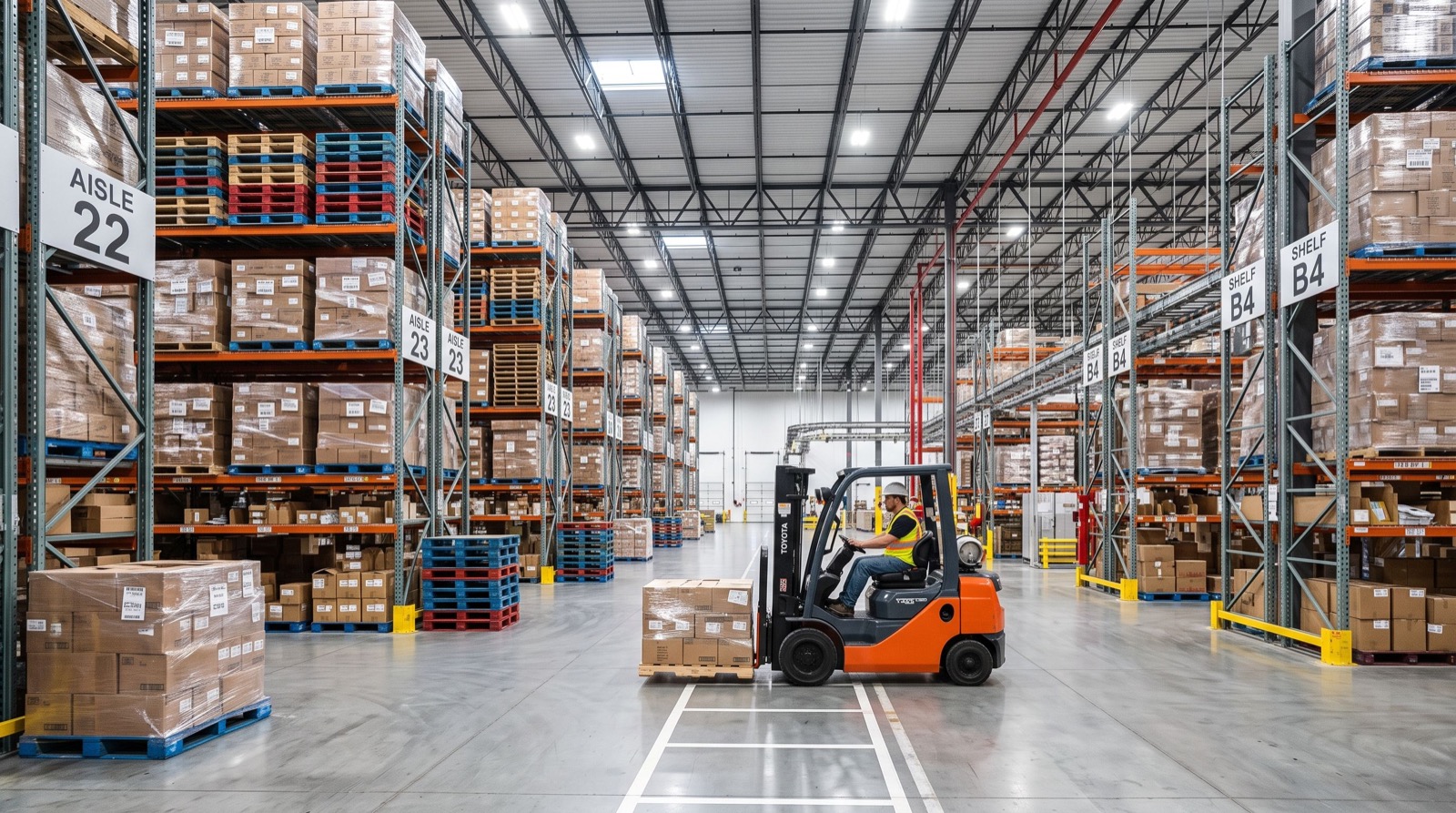
Ambient Storage in Jeddah: The Smart Way to Warehouse Dry Goods in 2026
For importers, e-commerce sellers, and distributors along the Red Sea coast, Ambient Storage in Jeddah is often the most cost-effective way to hold inventory. It keeps non-perishable goods safe at room temperature without the expense of refrigeration. This 2026 guide breaks down what ambient storage is, which products it suits, and how to choose a Jeddah facility that keeps your stock secure and your costs predictable.
Jeddah’s role as the Kingdom’s leading import gateway makes it a natural hub for warehousing. The challenge is matching the right storage type to each product so you never pay for cooling you do not need.
Understanding Ambient Storage
Ambient storage holds goods at normal indoor temperatures, usually between 15 and 25 degrees Celsius, without active chilling or freezing. Good facilities still control humidity, ventilation, and pest access, so stock stays dry and undamaged even through a Jeddah summer.
Because it skips the energy cost of refrigeration, ambient space is the cheapest warehousing tier. That makes it ideal for the large volumes of shelf-stable goods that move through the city’s ports every day.
Products that thrive in ambient conditions
- Canned and packaged food, rice, flour, and sugar
- Bottled water, juices, and soft drinks
- Cleaning supplies, cosmetics, and toiletries
- Textiles, apparel, and footwear
- Electronics, spare parts, and general e-commerce stock
Why Jeddah Is Built for Warehousing
Jeddah Islamic Port handles a huge share of Saudi imports, which means goods can move from vessel to warehouse in hours rather than days. Proximity to the port cuts transport cost and speeds up order fulfilment for sellers serving the western region and beyond.
The city also sits on key routes to Makkah and Madinah, where seasonal demand around Hajj and Umrah drives steady consumption. Holding ambient stock locally lets businesses react quickly to these peaks without emergency shipping fees.
How Does Ambient Storage Compare to Chilled and Frozen?
Choosing the correct tier protects both your products and your budget. The comparison below shows where ambient storage fits against colder options in 2026.
| Feature | Ambient | Chilled | Frozen |
|---|---|---|---|
| Temperature | 15 to 25 C | 0 to 8 C | -18 C or below |
| Relative cost | Lowest | Medium | Highest |
| Best for | Dry and canned goods | Dairy, produce, pharma | Meat, ice cream |
| Energy use | Low | High | Very high |
| Typical shelf life | Months to years | Days to weeks | Months |
Many businesses use a mix. A food distributor might keep pasta and oil in ambient space while renting Frozen Storage in Jeddah for meat and ice cream. Splitting inventory this way means you only pay the premium where it genuinely adds value.
What to Check Before Signing a Storage Contract
Not all ambient warehouses are equal. Before you commit, walk the floor and ask pointed questions about security, cleanliness, and systems.
- Humidity and ventilation — poor airflow leads to damp and mould in coastal climates.
- Pest control — look for a documented programme and recent inspection records.
- Security — CCTV, access control, and fire suppression are non-negotiable.
- Inventory systems — a warehouse management system gives you live stock visibility.
- Scalability — can the provider grow with you during peak seasons?
Food-grade warehouses should follow recognised hygiene principles. The FAO food safety framework is a useful benchmark for the standards a serious operator should meet. Partnering with trusted professionals who document their processes keeps you compliant and audit-ready.
Controlling Costs Without Cutting Corners
Ambient storage is already affordable, but smart management stretches every riyal further. From our work with Jeddah distributors, these tactics deliver the biggest savings.
- Right-size your space by reviewing stock turns each quarter.
- Use vertical racking to maximise cubic capacity, not just floor area.
- Negotiate flexible terms so you can scale down after seasonal peaks.
- Consolidate shipments to reduce handling fees.
- Bundle value-added services such as picking, packing, and labelling.
Reducing wasted space often saves more than chasing a lower per-pallet rate. Measure before you negotiate.
Supporting Saudi Growth and Sustainability
Ambient warehousing also fits the Kingdom’s sustainability goals under Vision 2030. Because it uses far less energy than refrigerated space, holding goods at room temperature where possible lowers both bills and carbon footprint. Local buffer stock also cuts emergency air freight, which is expensive and polluting.
For e-commerce brands, ambient fulfilment centres near Jeddah shorten delivery times and improve customer satisfaction, a growing competitive edge in 2026.
Preparing Your Warehouse for Jeddah’s Peak Seasons
Demand in the western region is highly seasonal. The Hajj and Umrah periods, Ramadan, and back-to-school all create sharp spikes in consumption. Businesses that plan ambient capacity around these peaks avoid both stockouts and the premium cost of last-minute space.
Start by mapping your sales calendar against historical data. If you know volumes typically double before Ramadan, reserve flexible overflow space months in advance rather than scrambling when rates are highest.
A simple seasonal readiness checklist
- Forecast demand by SKU using at least two years of sales history.
- Agree flexible contract terms that let you scale space up and down.
- Pre-book additional pallet positions before known peaks.
- Stage fast-moving lines near dispatch to speed fulfilment.
- Review pest and humidity controls before the hottest months arrive.
Humidity management deserves special attention on the coast. Jeddah’s sea air carries moisture that can damage cardboard, labels, and powders if ventilation is poor. A provider that monitors humidity, not just temperature, protects your packaging and your brand presentation.
Frequently Asked Questions
What temperature is ambient storage kept at in Jeddah?
Ambient storage in Jeddah is usually maintained between 15 and 25 C with controlled humidity. The goal is a stable, dry environment rather than active cooling, which keeps shelf-stable goods safe year round.
Is ambient storage suitable for food products?
Yes, for non-perishable food such as canned goods, rice, flour, oil, and bottled drinks. Perishables like dairy, meat, and fresh produce need chilled or frozen storage instead.
How much cheaper is ambient storage than chilled?
Ambient space is the lowest-cost tier because it avoids refrigeration energy. Exact savings depend on volume and location, but ambient is typically well below chilled and frozen rates, making it the default choice for dry goods.
Can one provider handle ambient, chilled, and frozen stock?
Many Jeddah operators offer all three in separate zones. Using a single multi-zone provider simplifies logistics, billing, and reporting while letting you match each product to the right temperature.
Conclusion
Ambient storage in Jeddah gives importers and sellers a dependable, low-cost home for dry goods right beside the Kingdom’s busiest port. Match your inventory to the correct tier, vet facilities for humidity control and security, and manage space actively to keep costs down. If you are planning for 2026 demand, now is the time to secure flexible ambient capacity and build a supply chain that scales with your business. Contact a trusted Jeddah provider today to get started.