
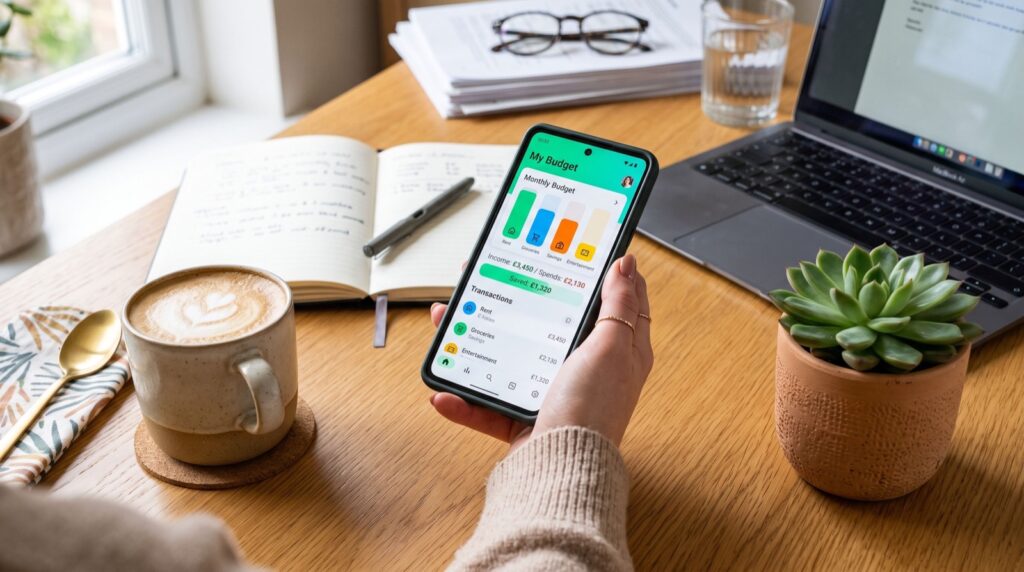
Sending twenty dollars to a friend used to involve either cash in a birthday card or the small humiliation of asking, again, whether they ever cashed that check. Now it takes a tap. The instant-payment revolution has folded itself so thoroughly into daily life that many people run a surprising slice of their financial world through a single mobile balance without ever thinking of it as a bank account.
That casual comfort is exactly why it pays to understand these platforms properly. When money moves in seconds and sits in a wallet that is not quite a checking account, the rules, protections, and hidden costs work differently than most users assume. This article breaks down how to get real value out of a modern payment app while sidestepping the traps that catch careless users.
What a Payment Wallet Actually Is
The first thing to understand is that a peer-to-peer balance is not the same as money in a traditional insured checking account, at least not by default. It behaves more like a stored-value wallet, a place funds pass through on their way somewhere else. Some services now offer optional features that add deposit insurance, but you usually have to opt in, and many people never do.
This distinction matters most when something goes wrong. If a platform freezes an account for review, or a transfer bounces into limbo, the recovery path is not identical to disputing a charge with your bank. Knowing where your money legally sits helps you decide how much to keep parked there versus swept into a real bank account.
Getting Set Up Without Leaving Money on the Table
Onboarding takes minutes, but a few early choices shape your whole experience. Linking a debit card gets you moving instantly, while connecting a bank account directly often unlocks lower fees and higher limits. Verifying your identity fully, rather than skipping it, raises your sending caps and reduces the odds of a surprise freeze later.
If you are comparing options and want a clear breakdown before committing, a solid roundup of the best money apps can save you the trial and error of testing five platforms yourself. Feature sets differ more than the near-identical interfaces suggest, and the right fit depends on whether you mostly split bills, run a small business, or dabble in investing.
Free Transfers Versus Instant Ones
Here is the single most expensive misunderstanding among casual users. Standard transfers from your wallet to your bank are typically free but take one to three business days. The instant option lands the money in minutes, but it skims a percentage off the top every time you use it. Individually the fee looks tiny. Used habitually, it quietly drains real money.
The fix is simple planning. Keep a modest buffer in your linked checking account so you rarely need funds instantly, and let the free standard transfer do the work in the background. Reserve the paid instant option for genuine emergencies rather than treating it as the default, and you keep more of every dollar you move.
Using the Card and Rewards Features
Most major platforms now issue a physical or virtual debit card tied to your balance, and this is where casual users often overlook free value. These cards frequently include instant discounts at select merchants, activated with a tap inside the app. If you spend anyway at a retailer that offers a boost, skipping it is leaving money on the table.
Some services layer on a savings pot, direct-deposit support so your paycheck lands early, and even fractional stock or crypto features. You do not have to use all of them, and you should ignore the ones you do not understand. But knowing they exist lets you consolidate tools and shed the apps you no longer need.
Spotting and Avoiding Scams
The same speed that makes instant payments convenient makes them a favorite tool for fraudsters. Because a transfer to another person often cannot be reversed, once you send money to a scammer it is usually gone for good. The classic schemes prey on urgency: a fake customer-support agent, a too-good deal, or a stranger promising to flip your payment into more.
Protect yourself with a few unbreakable rules. Never send money to someone promising to return a larger amount, treat unsolicited support contacts as fraud, and confirm a recipient’s exact handle before sending anything significant. When you need genuine help, seek out trusted professionals and official channels rather than acting on a message that arrived out of nowhere.
Keeping Records for Taxes and Budgeting
Casual users rarely think about paperwork until it bites them. If you use a payment platform for anything resembling business, selling goods, freelancing, or collecting for services, those transactions can carry tax implications. Reporting thresholds have shifted in recent years, and mixing personal and business activity in one wallet turns tax season into a nightmare.
The clean solution is separation. Keep a dedicated account or clear labeling for anything commercial, and export your transaction history periodically so you are not reconstructing a year of activity from memory. Even for purely personal use, that exported log is a goldmine for spotting subscriptions and habits you would rather cut.
Deciding How Much to Keep in Your Wallet
A recurring question is whether to leave a balance sitting in the app or sweep everything to a bank. The answer hinges on how you use it. A small working balance is convenient for splitting bills and quick payments, but a large sum sitting in an uninsured wallet earns nothing and carries slightly more risk than an insured account paying interest.
A sensible rhythm is to keep only what you expect to spend in a couple of weeks and move the rest into a bank or high-yield savings account. If you want a deeper walkthrough of features and limits before you decide, a thorough Cash App guide lays out the mechanics so you can set your own comfortable threshold.
Key Takeaways
- A payment wallet is not an insured checking account by default, so do not park large sums there
- Verify your identity fully to unlock higher limits and reduce freeze risk
- Use free standard transfers and reserve the paid instant option for emergencies
- Activate card discounts and know which extra features you actually need
- Never send money to reverse-a-payment scams or unsolicited support contacts
- Separate business activity and export records to stay ready for tax season
The Bottom Line
Instant payment apps have earned their place in modern life because they solve a genuine annoyance with elegant speed. But treating them as magic, or as identical to a bank, is where people lose money to fees and fraud. A little literacy goes a long way. Understand where your funds sit, use the free transfer path, and stay ruthlessly skeptical of anyone rushing you to send.
Spend an hour learning the platform you use most, tighten your security settings, and set a personal rule for how much you leave in the wallet. Those small habits turn a convenient toy into a genuinely useful financial tool, one that saves you time and money instead of quietly costing both.